
Tianfei Hometown Heritage Park
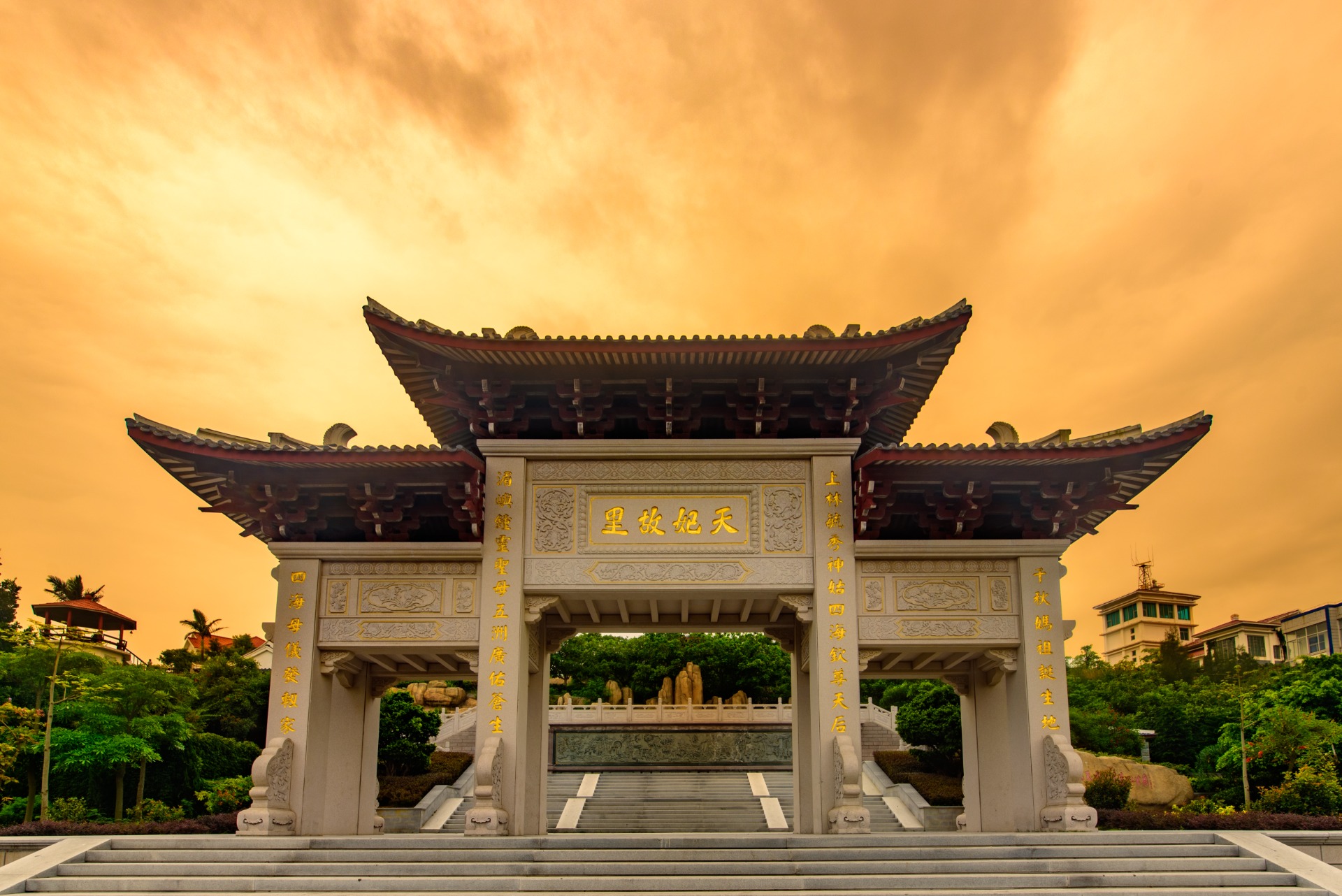
Dongcai Village in northern Meizhou Island
Mazu's Former Residence, Lin Clan Ancestral Hall, Peace Pagoda, Mazu Origins Museum, Grand Archway, Pangui Pavilion, and more
Tianfei Hometown Heritage Park is located in Dongcai Village in northern Meizhou Island. It preserves ancient stone inscriptions reading Tianfei Hometown and Tianfei Ancestral Trace, Place Name Shanglin. The first was written by Ding Yizhong, a Ming official from Quanzhou, more than four hundred years ago. From the park, visitors can look northeast toward the Mazu Ancestral Temple about two kilometers away, and north toward Meizhou Bay and the Wenjia ferry terminal.
The park covers about 150 mu, roughly 280 meters north to south and 530 meters east to west. With a total investment of 58 million yuan, construction officially began on November 1, 2010.
The park includes Mazu's Former Residence, the Lin Clan Ancestral Hall, the Mazu Origins Museum, an intangible heritage training space, Mazu Academy, Peace Pagoda, Pangui Pavilion, an ancient well, and ancient cultural layers, with more than 460 cultural relics on display.
The park was established to restore the appearance of Mazu's former home, preserve related relics, and help more people understand Mazu's life and culture. It also enriches the tourism experience on Meizhou Island and offers pilgrims and visitors another destination for worship and sightseeing.
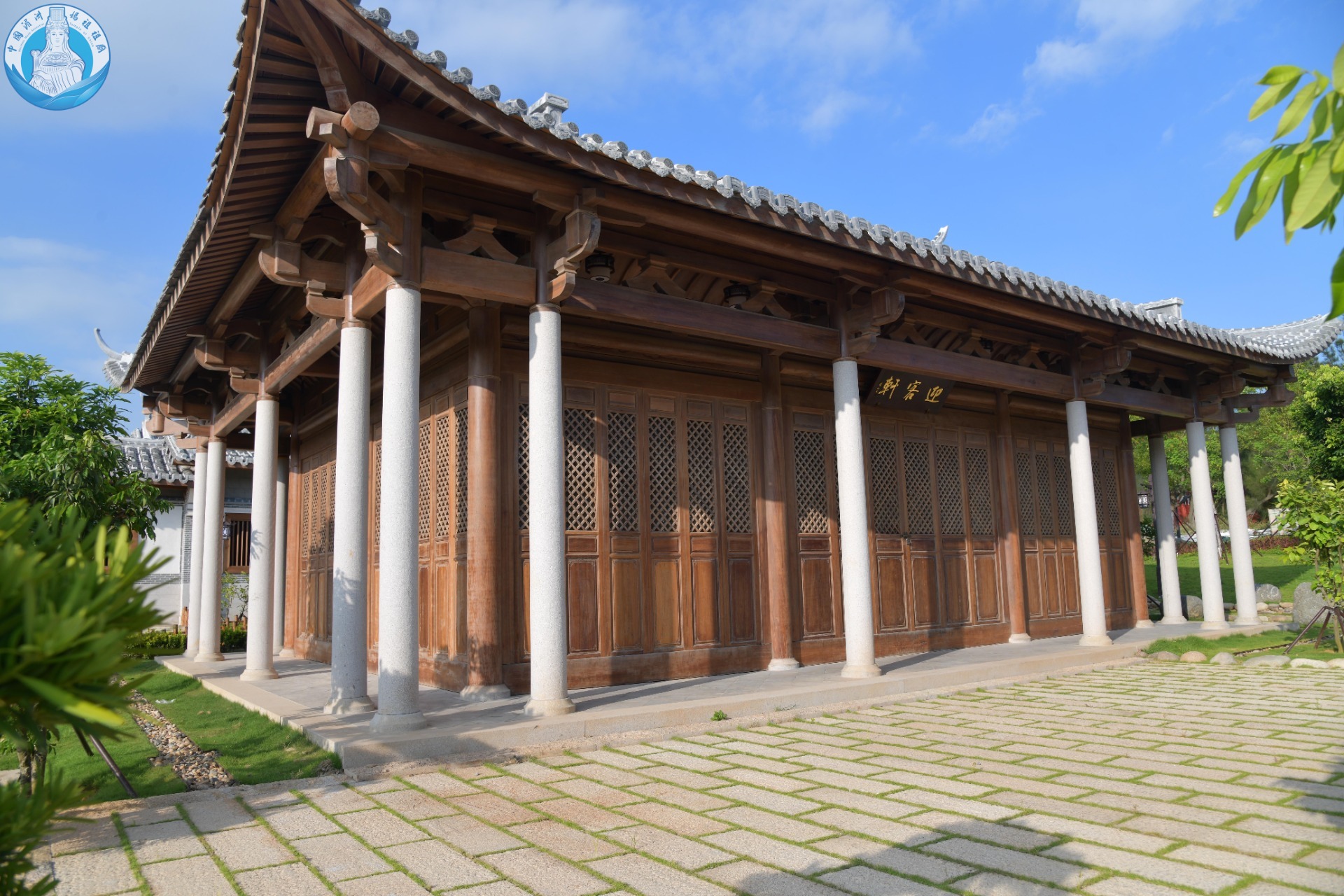
Yingke Hall
Yingke Hall covers 180 square meters. Built of brick, wood, and stone with three bays, two depths, and Song-style wooden components under a hip-and-gable roof, it serves as a reception and meeting space.
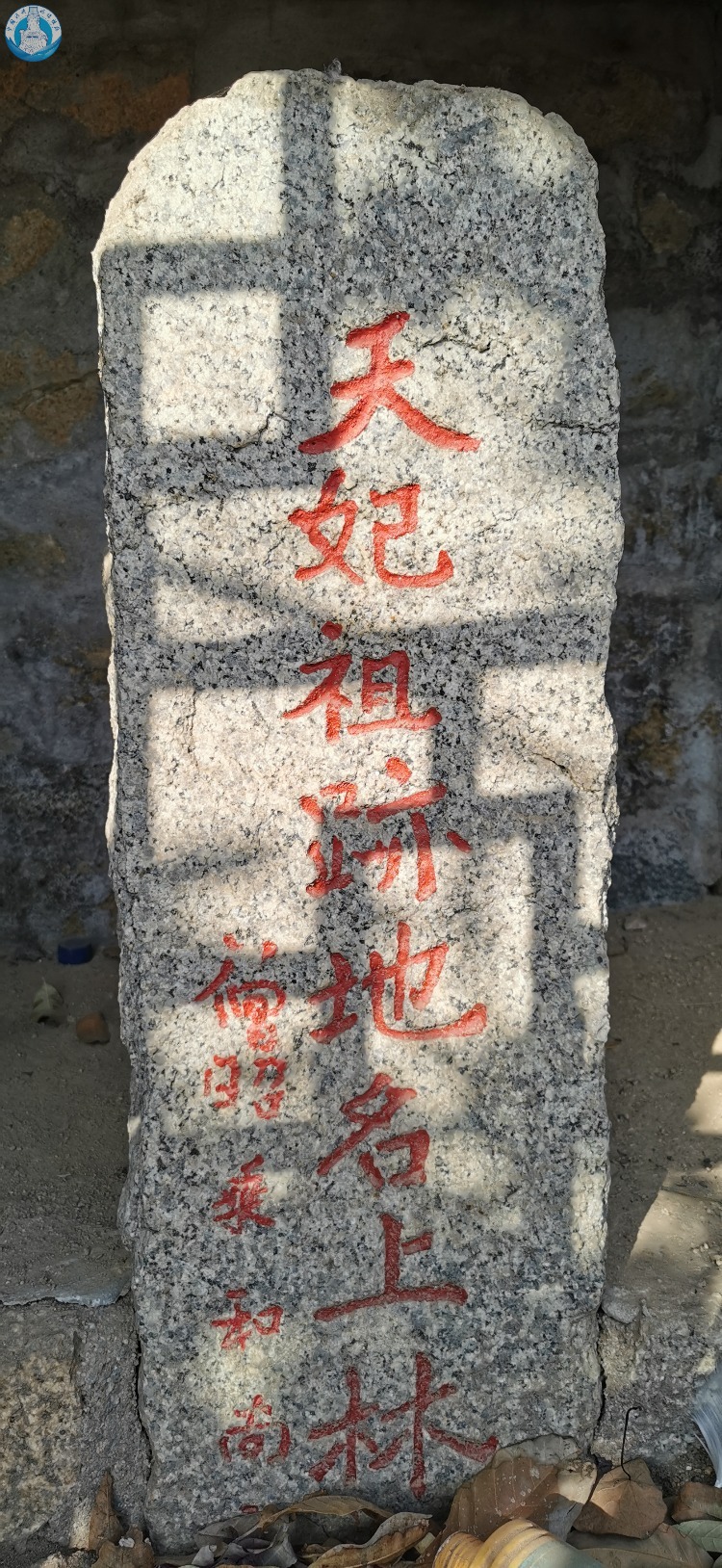
Shanglin Stone Stele
The inscription Tianfei Ancestral Trace, Place Name Shanglin was written by Monk Zhaocheng, abbot of the Meizhou Ancestral Temple in the late Ming period.
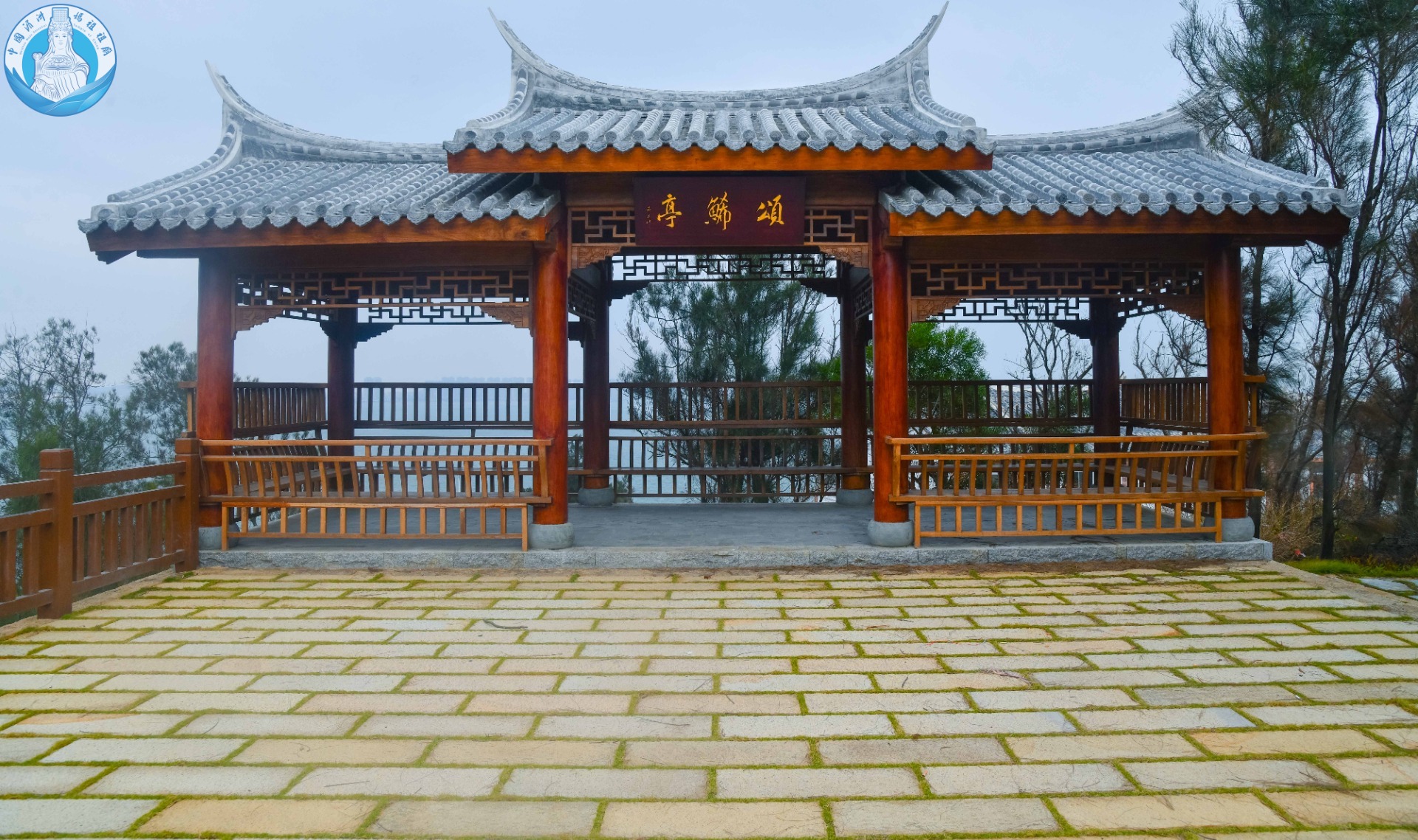
Songxi Pavilion
Meizhou Island is also called Xishan. Songxi Pavilion praises the birth of Tianhou Mazu in Tianfei's hometown on Meizhou. Its inscription was written by Zhu Wenhong, a member of the China Calligraphers Association.
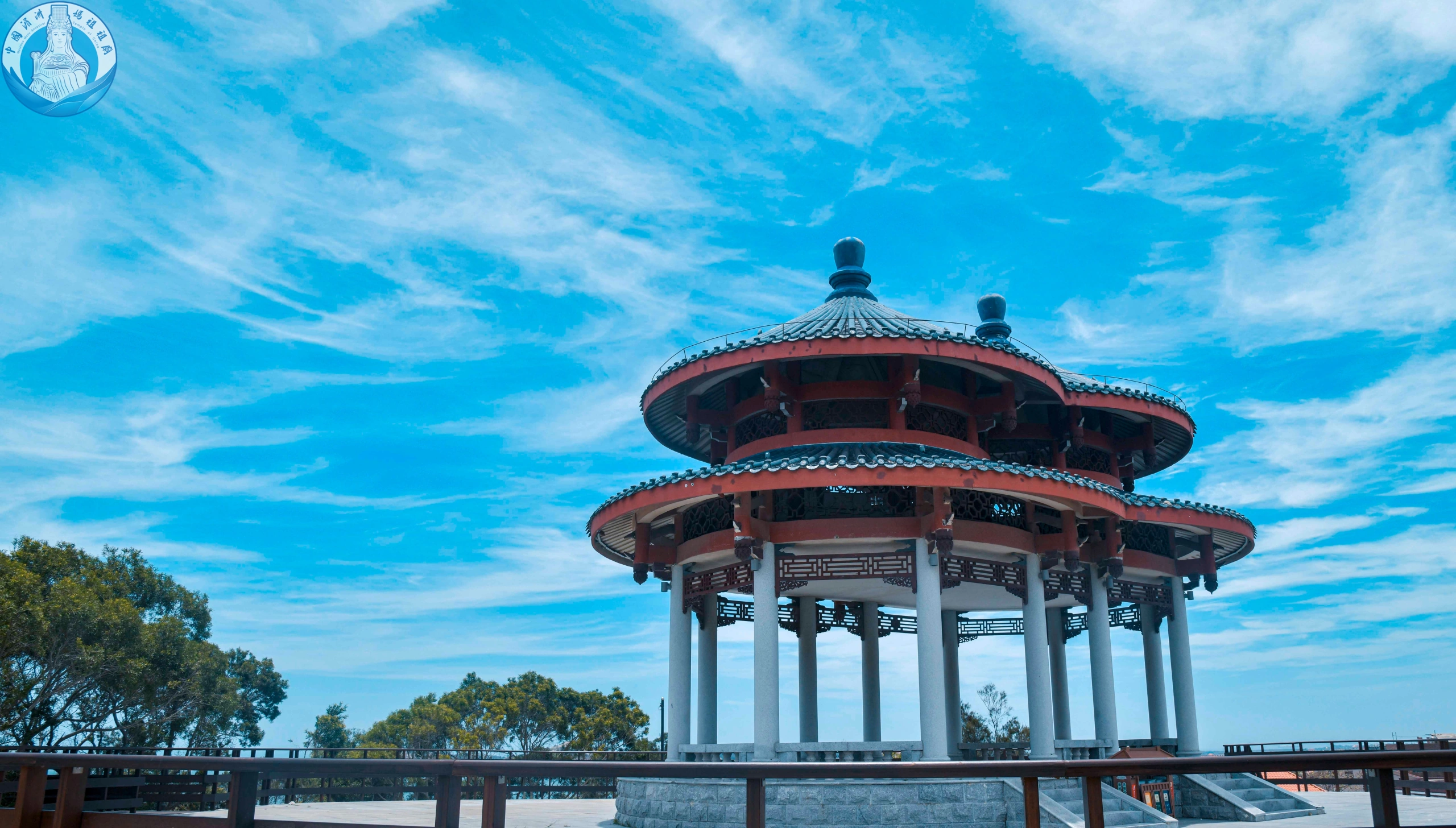
Pangui Pavilion
Pangui Pavilion consists of two adjoining pavilions with peacock-blue glazed tiles and double round roofs. From here, visitors can look out over Meizhou Bay, the inland sea, and the Taiwan Strait.
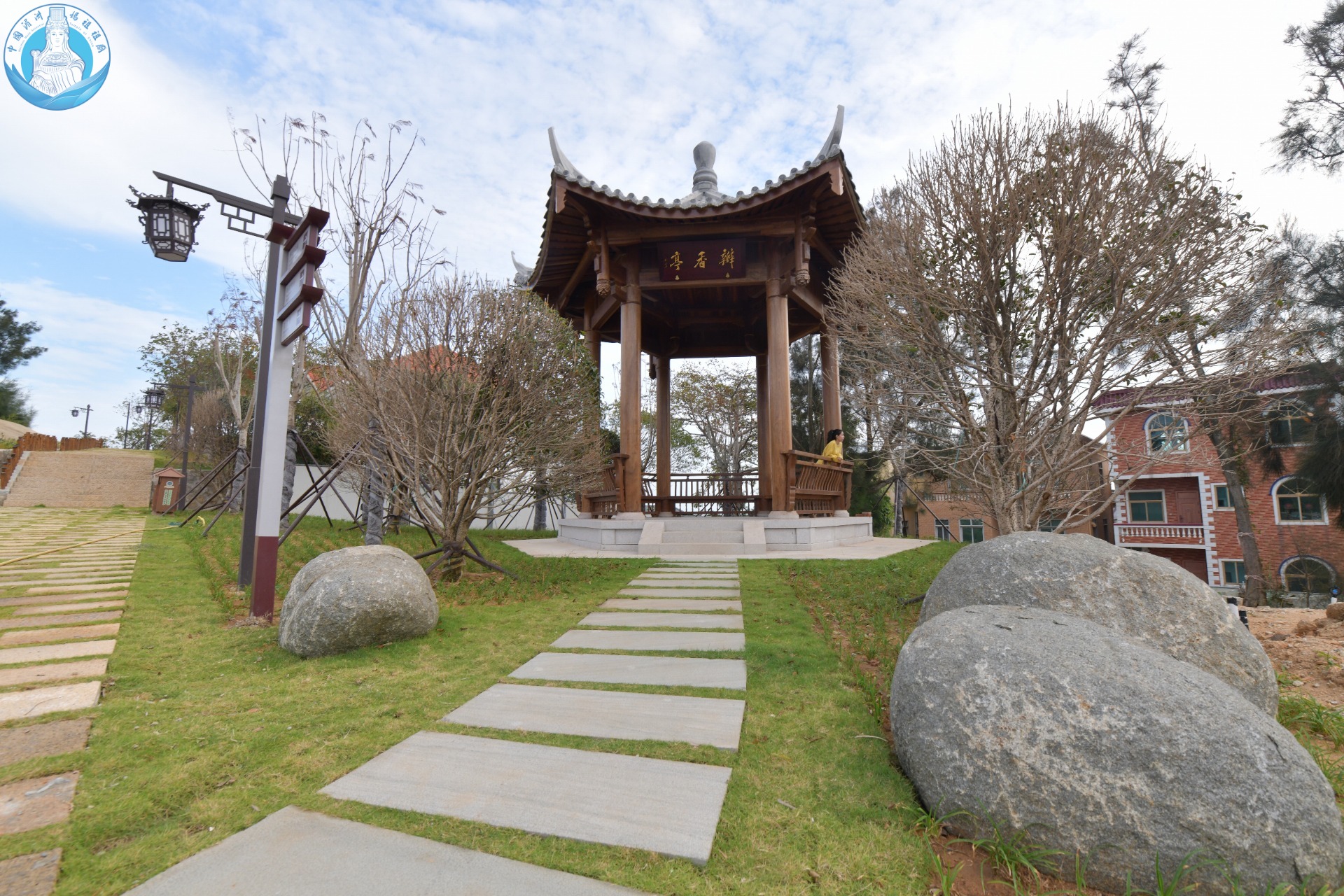
Banxiang Pavilion
Banxiang Pavilion takes its name from Liu Kezhuang's poem about Mazu culture rising from Meizhou. It was donated by Hong Zhuangyan and Shi Xiupei of the Cihang Chan Temple in the Philippines. The three-character plaque was written by Zhu Wenhong.
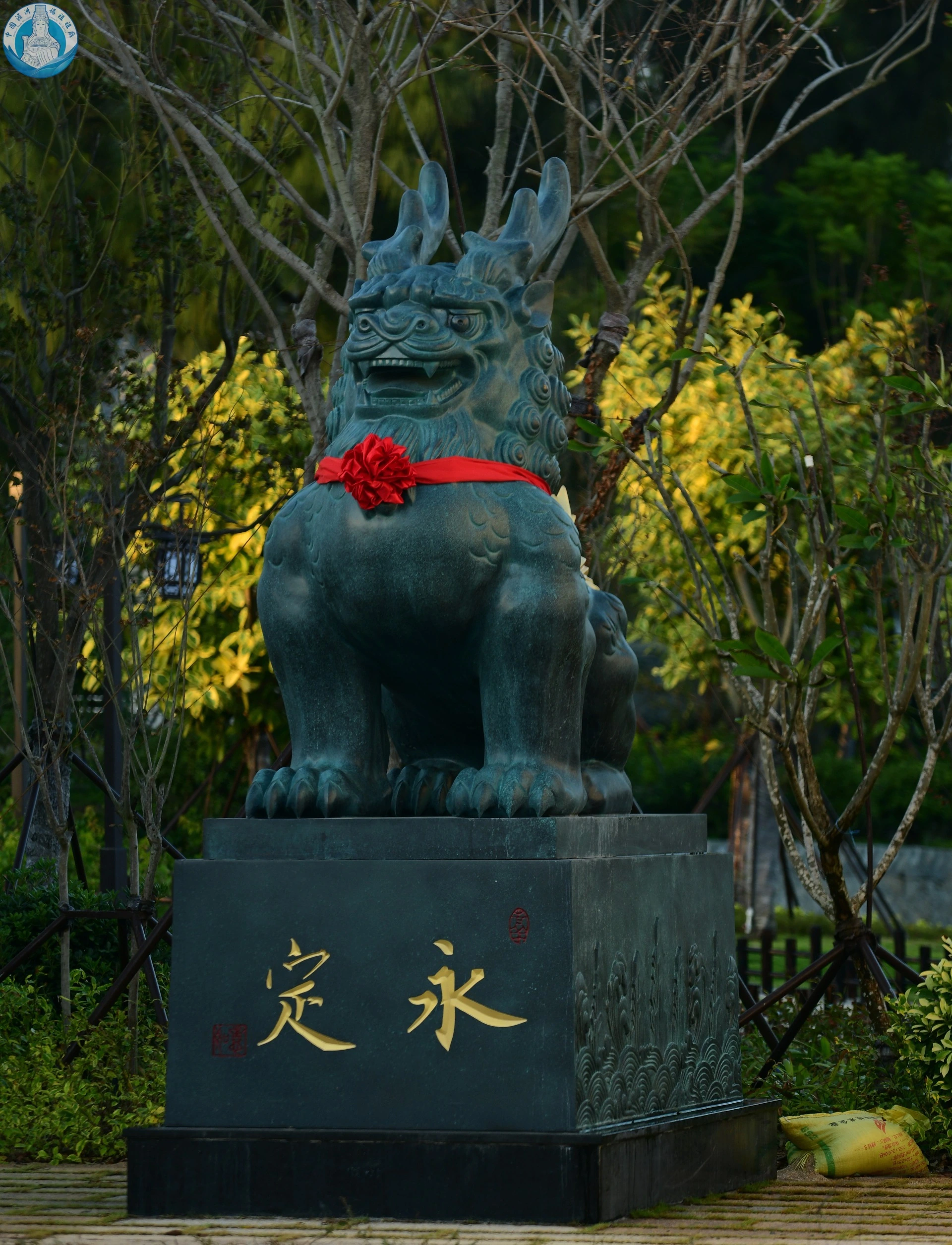
Yongding Auspicious Beast
The Yongding Auspicious Beast was donated in 2021 on the ninth day of the ninth lunar month, commemorating the 1,034th anniversary of Mazu's ascension. The work is 3.23 meters high, recalling Mazu's birth on the twenty-third day of the third lunar month; its 99-centimeter base recalls her ascension on the ninth day of the ninth lunar month; and the 9-centimeter borders on four sides refer to her thirty-six imperial titles.
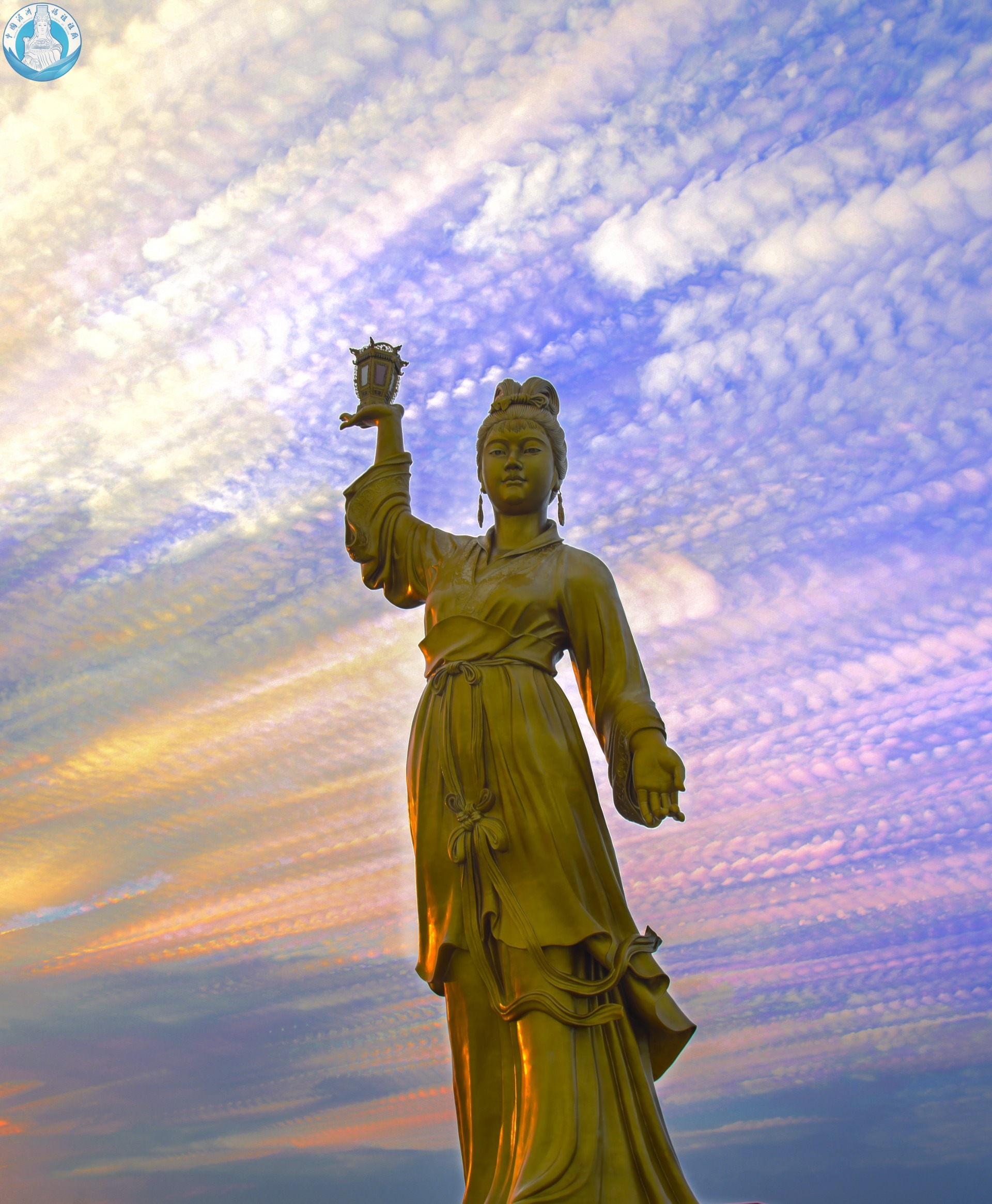
Young Mazu Bronze Statue
The young Lin Mo holds a red lantern and stands on the hilltop, looking toward the sea and guiding fishermen safely home. The statue and base are 9.6 meters high, recalling Mazu's birth in 960. The red lantern symbolizes great love as light, dispelling disaster and guiding all beings. The base includes a brief biography of Mazu and nine reliefs of stories from her youth.
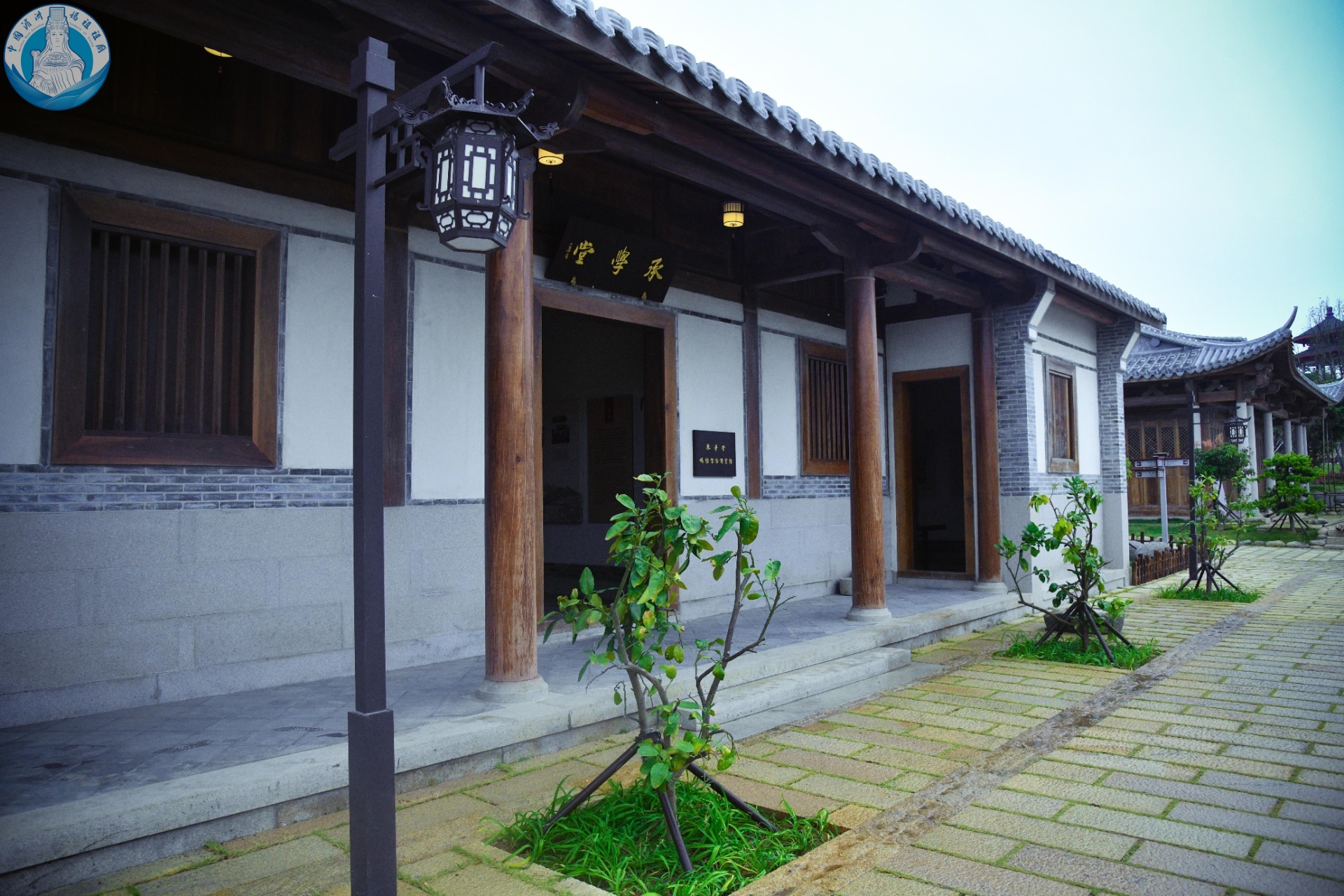
Chengxue Hall
Chengxue Hall stands north of Mazu's former residence. It covers 205 square meters and is a five-bay brick, wood, and stone building used for intangible heritage training. Exhibits present Mazu offerings, noodles, cakes, red rice cakes, flowers, hairstyles, and clothing, preserving and developing the rare Mazu cultural heritage of Putian.
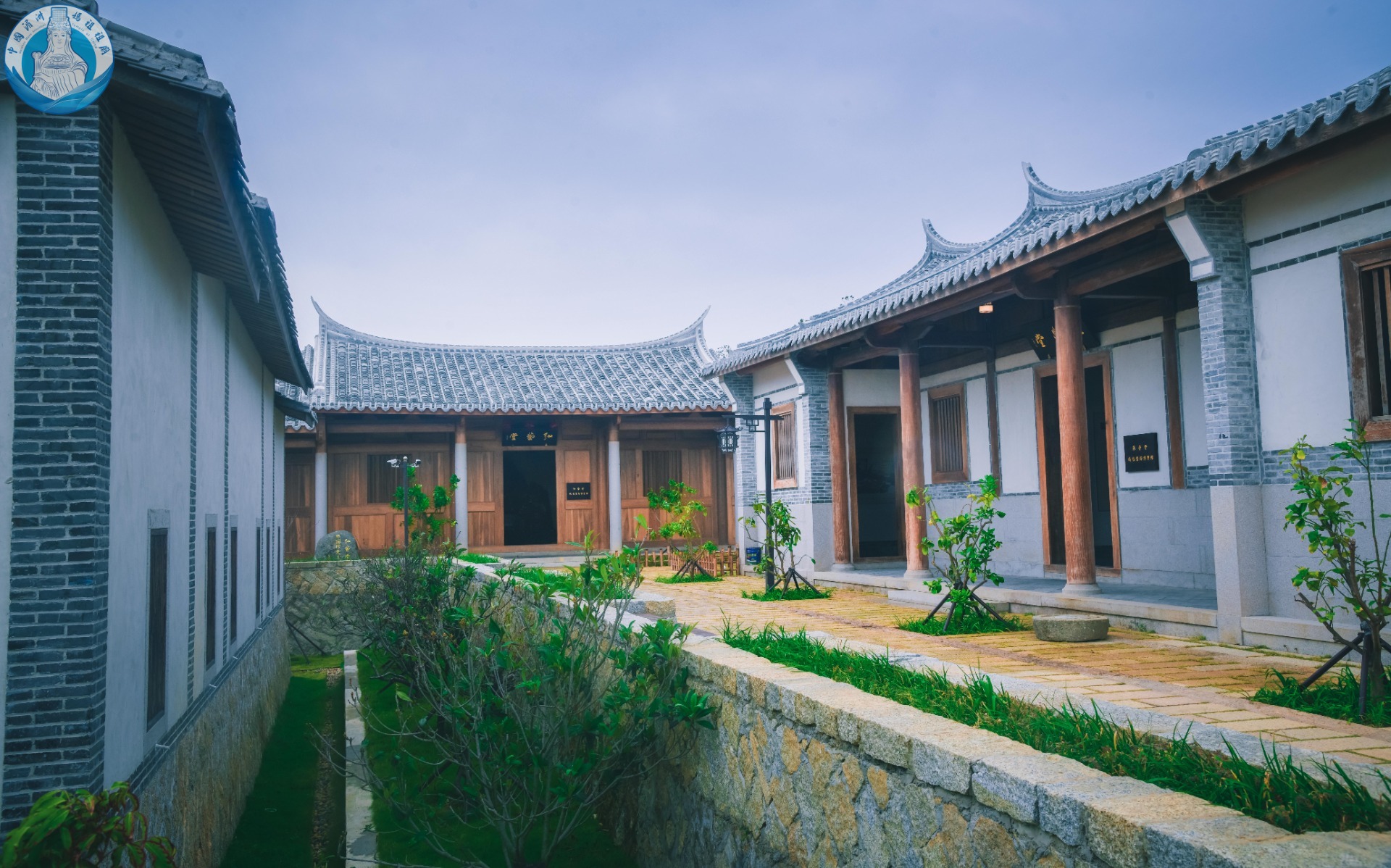
Hongyi Hall
Hongyi Hall is a seven-bay brick, wood, and stone building donated by Lin Guozhen of Qiulu, Hanjiang, Putian. Its name means a place to promote arts and heritage. Covering 235 square meters, it displays Mazu belief and customs, which were inscribed by UNESCO in 2009, including ritual ceremonies, folk customs, stories, and the spirit of virtue and great love.
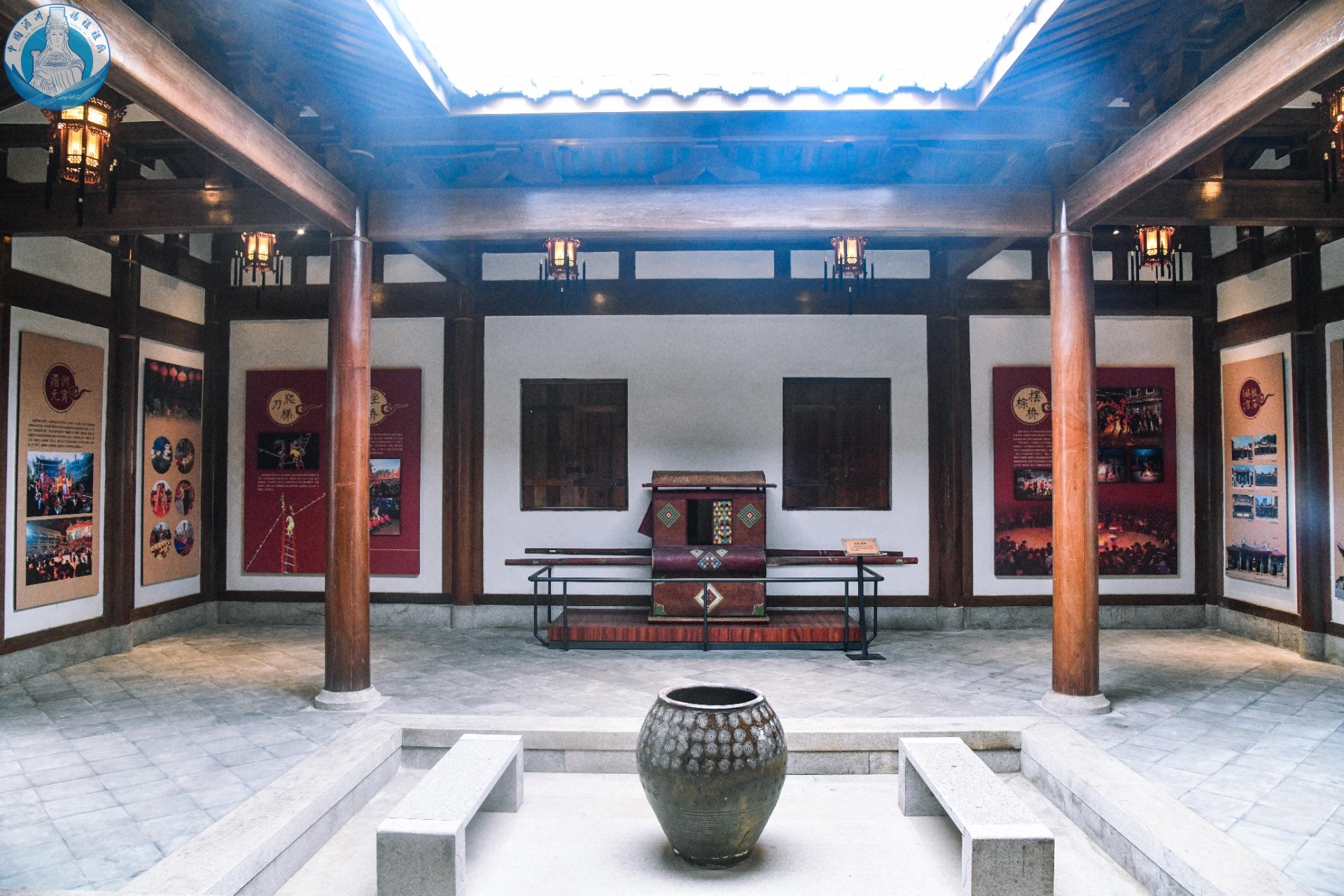
Meizhou Folk Customs Garden
The Meizhou Folk Customs Garden is a Tang-style building of 375 square meters. It presents the life, rites of passage, and moral customs of island residents, including Lantern Festival scenes from fourteen Mazu temples, birth-to-longevity life customs, and agricultural and fishing labor scenes.
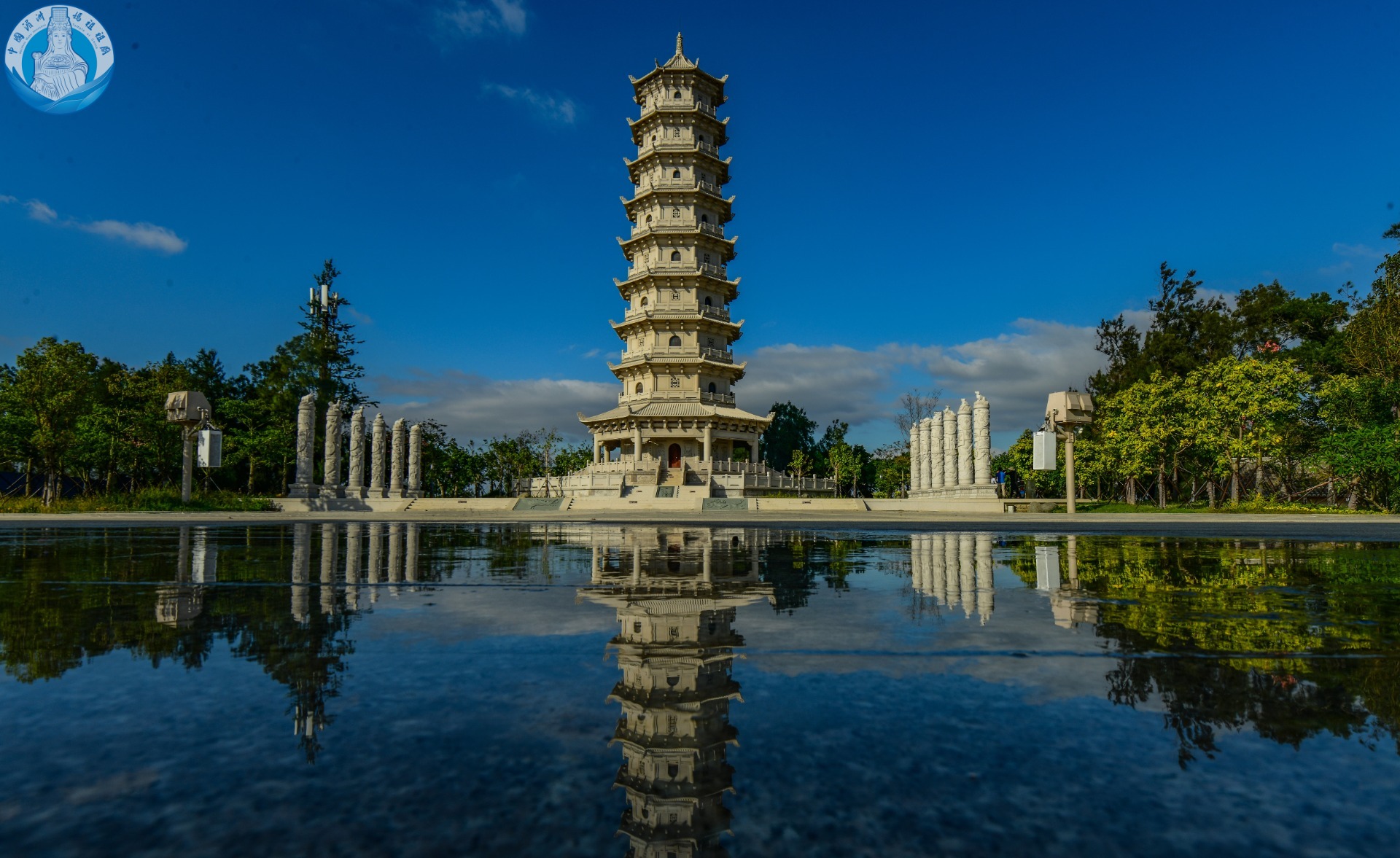
Peace Pagoda and Square
Mazu Peace Pagoda covers 736 square meters and rises 43.73 meters, letting visitors look over the sea and Meizhou scenery. The tower is 48 meters high overall, with a 32.3-meter body recalling Mazu's birthday, and is a nine-story octagonal pavilion tower. Its base is carved with scenes of Meizhou Mazu customs, including longevity noodles, spring cleaning, red rice cakes, coming-of-age rites, birthday rites, sending favorable winds, New Year greetings, and other folk practices.
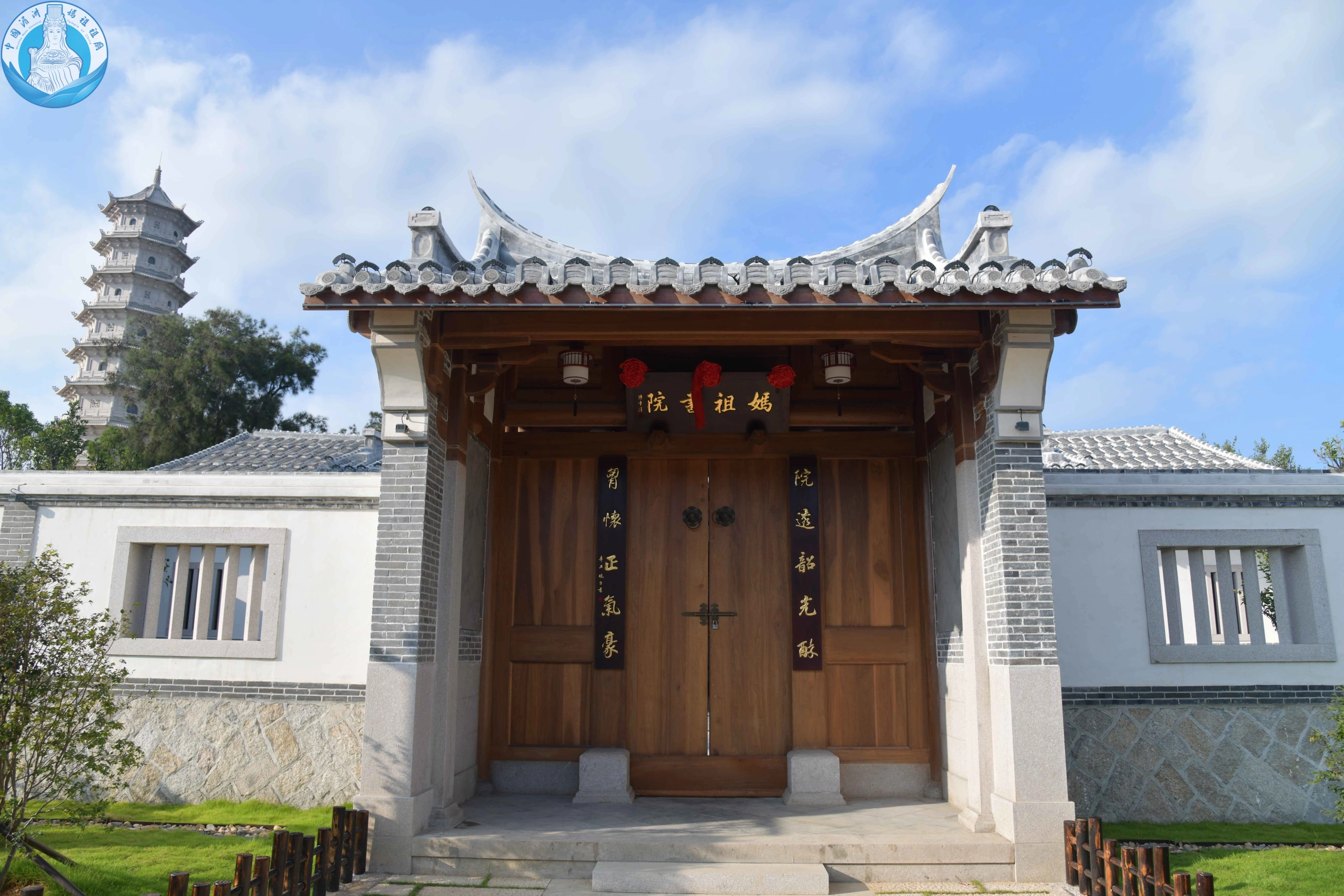
Mazu Academy
The four characters for Mazu Academy were written by Chen Zhanghan, a contemporary rhapsody writer, calligrapher, and member of the China Writers Association.
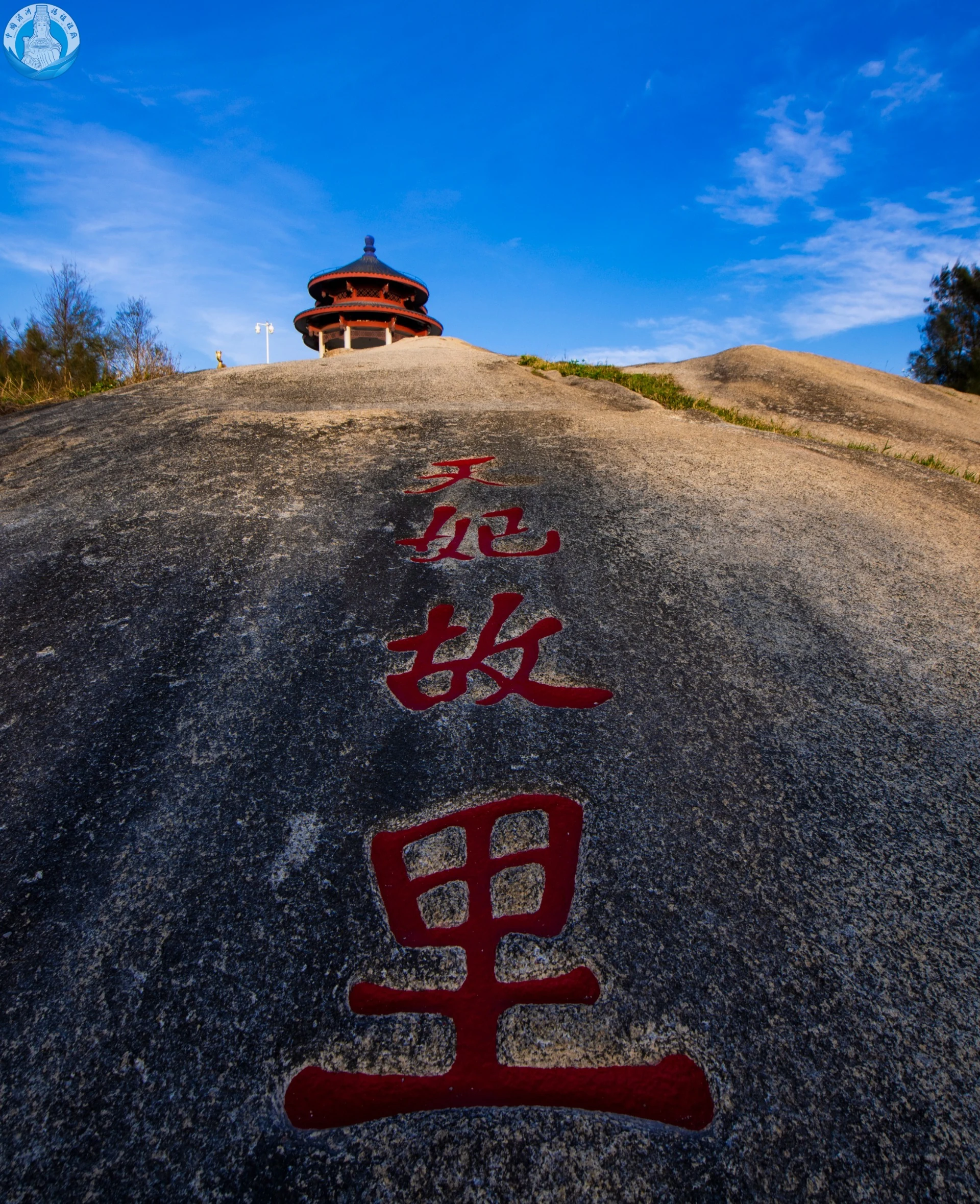
Cliff Stele Inscription
The Tianfei Hometown cliff inscription was written by Ding Yizhong, a Ming official of Quanzhou Prefecture. It is an important Mazu cultural relic on Meizhou Island and was listed in 2020 as part of Xiuyu District's third batch of cultural relic sites. It witnesses Mazu's birth and growth in this land and the deep roots of the birthplace of Mazu culture.
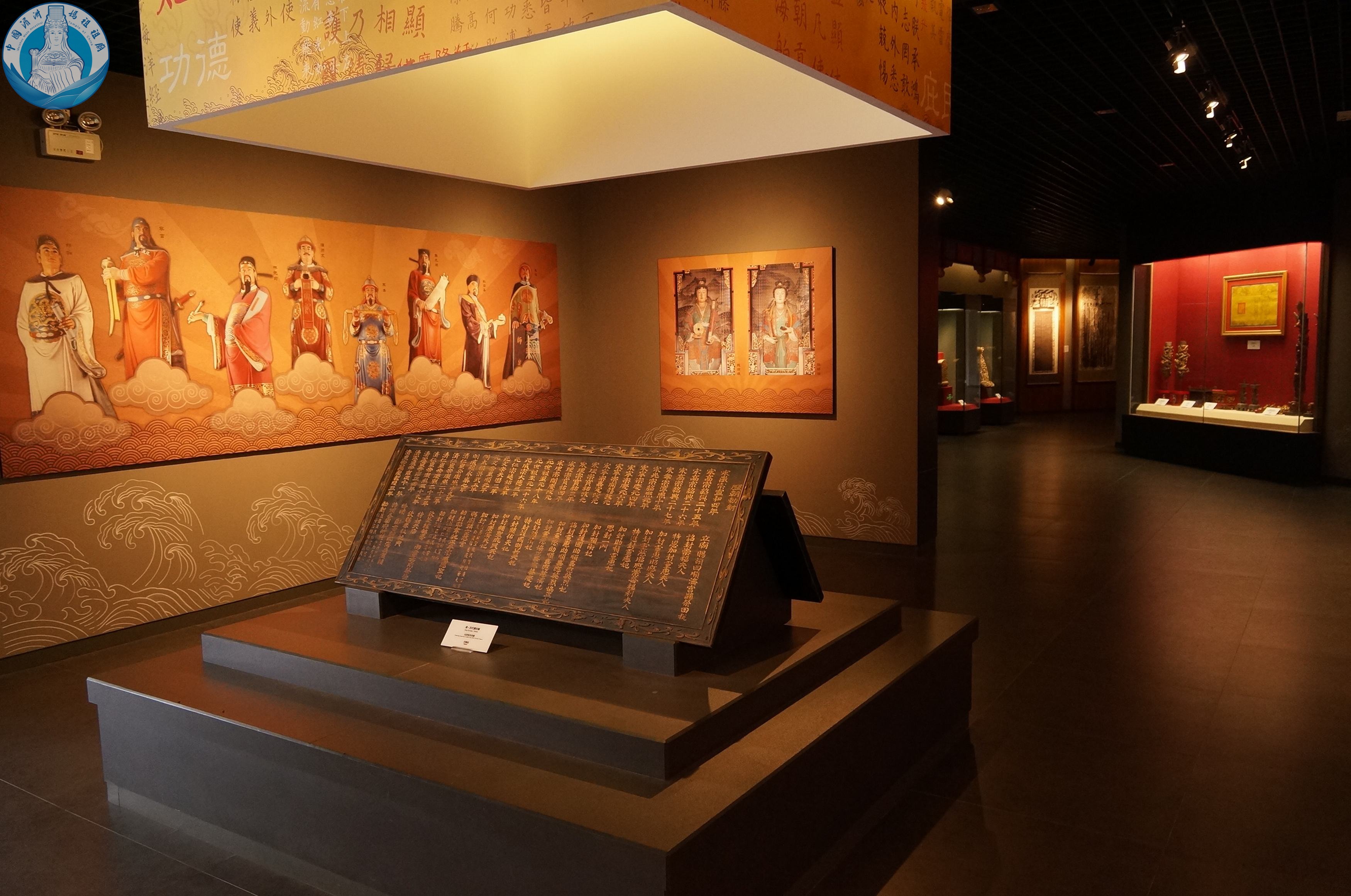
Mazu Culture Origins Museum
The Mazu Culture Origins Museum is an important building in Tianfei Hometown. It houses many historical documents and relics of Mazu culture. Its seven halls present the preface hall, birth and good deeds, sea rescue and ascension, miracles and imperial titles, cross-strait ties, Mazu sacrificial rites, and worldwide reverence through images, relics, stone carvings, 3D animation, and multimedia technology.
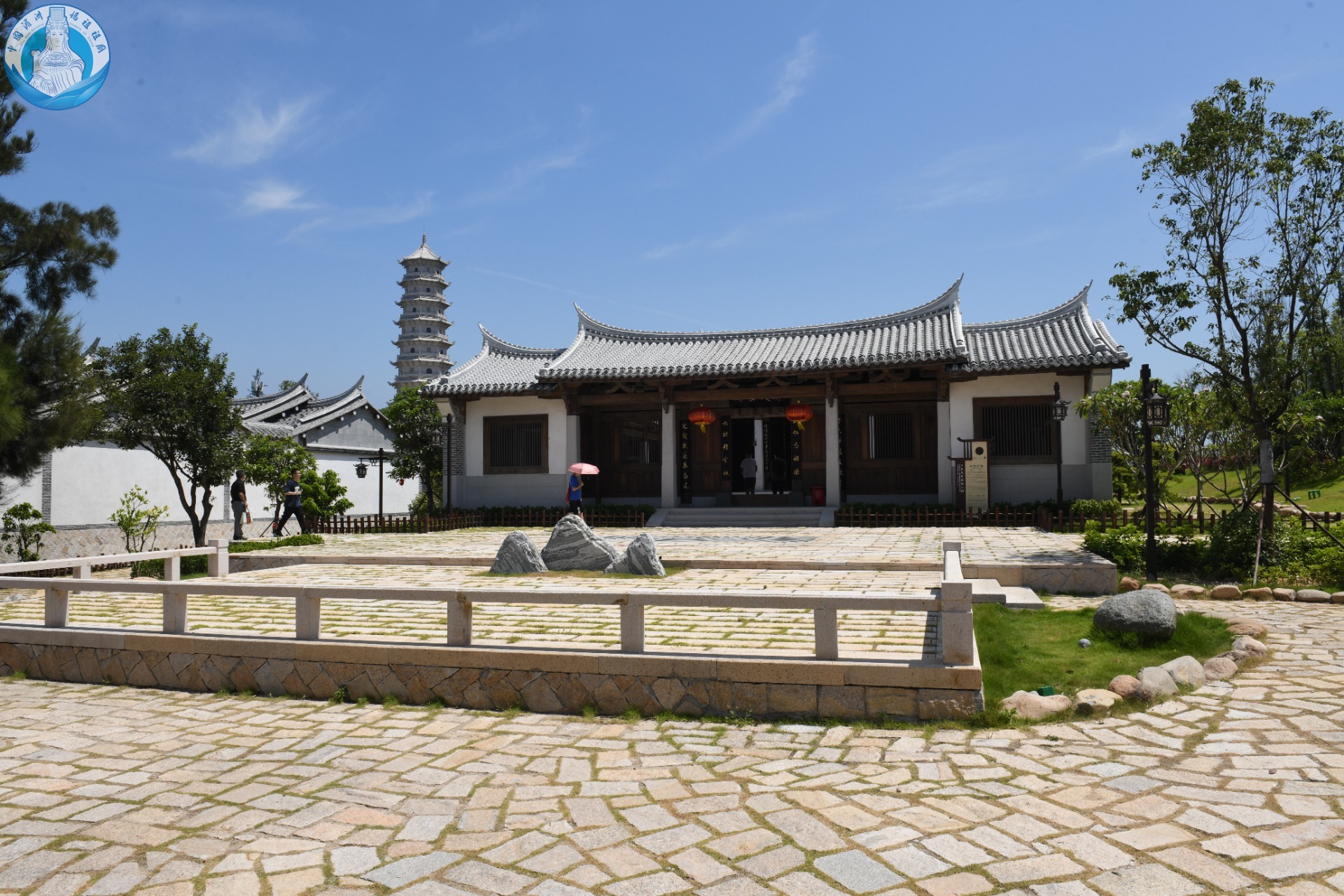
Lin Clan Ancestral Hall
The Lin Clan Ancestral Hall stands east of Mazu's former residence. Covering 352 square meters, it is a brick, wood, and stone hall with five bays, two depths, and east-west corridors. It serves the local Lin branches of Meizhou, descendants of the famous Putian Jiumu Lin lineage.
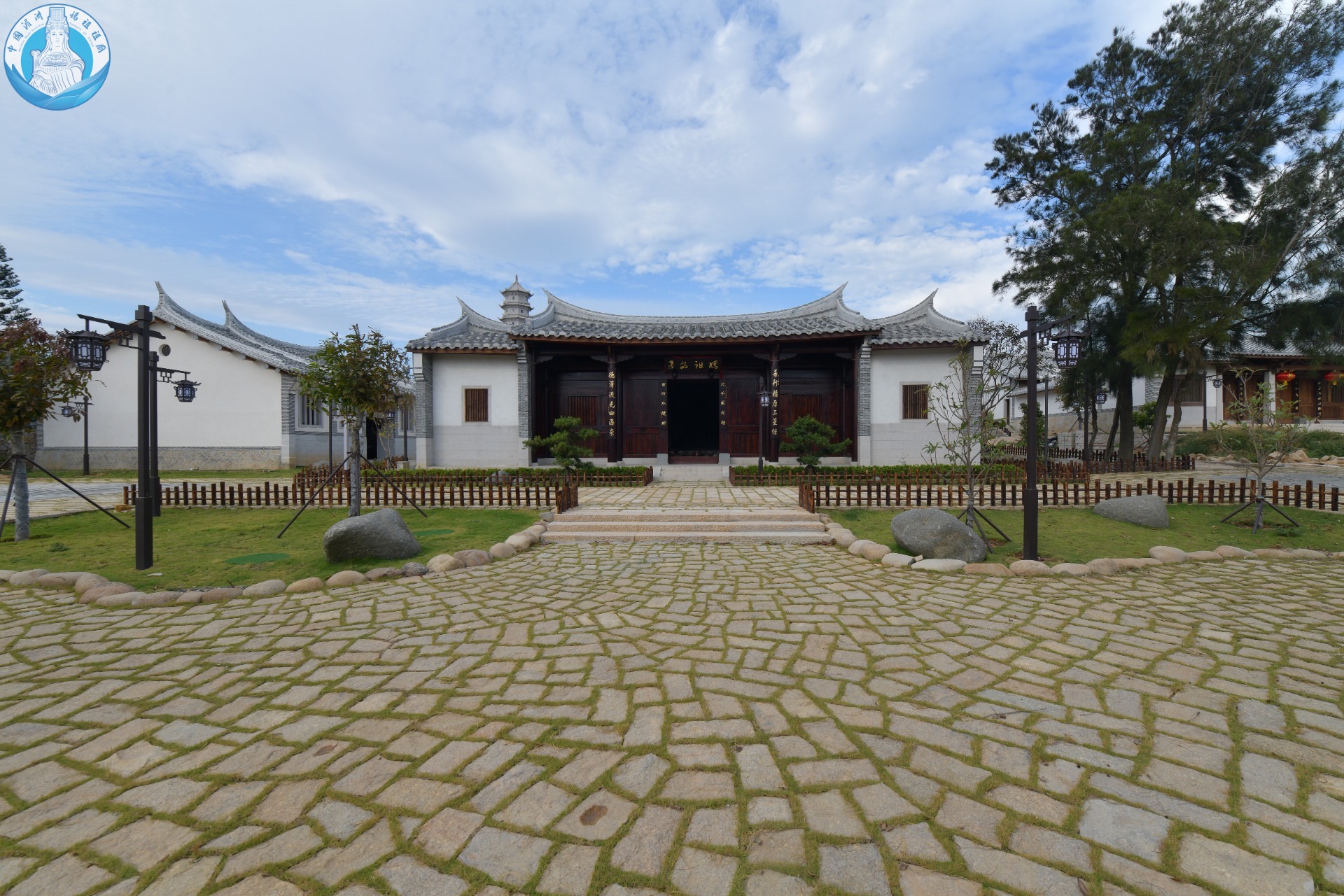
Mazu's Former Residence
The rebuilt former residence of Mazu is a five-bay, three-courtyard brick, wood, and stone complex covering 669 square meters. Its displays recreate the living, working, and learning scenes of Mazu before she became divine. The inscription Mazu's Former Residence was written by Lu Zhangshen, former director of the National Museum of China.
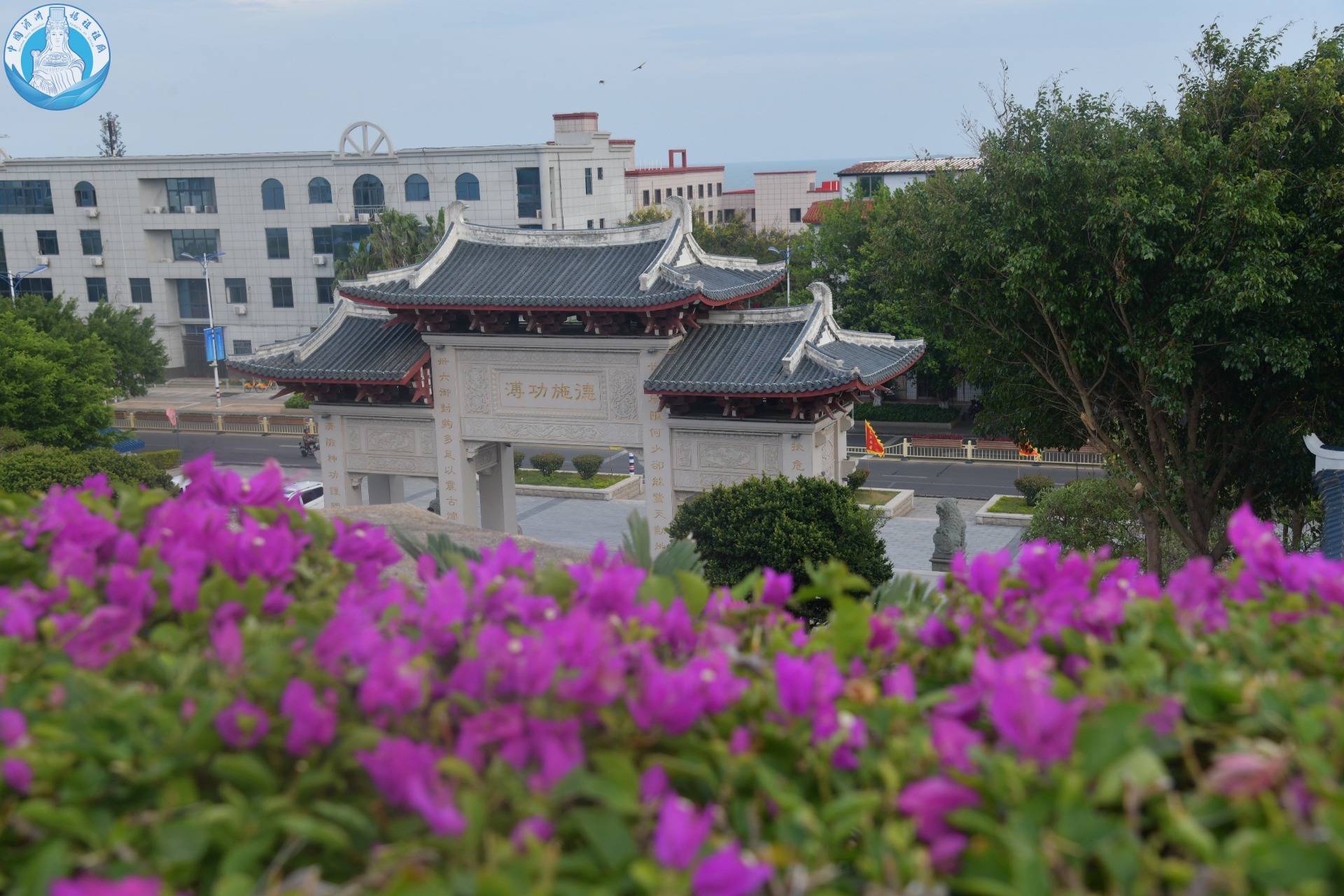
Grand Archway
The Grand Archway stands at the east entrance of Tianfei Hometown Heritage Park and symbolizes the reverence of successive emperors for Mazu's birthplace. Its front and rear couplets praise Shanglin, Meizhou, Mazu's birth, her virtues, and her power to aid people and protect the state.