Brief Introduction of Mazu
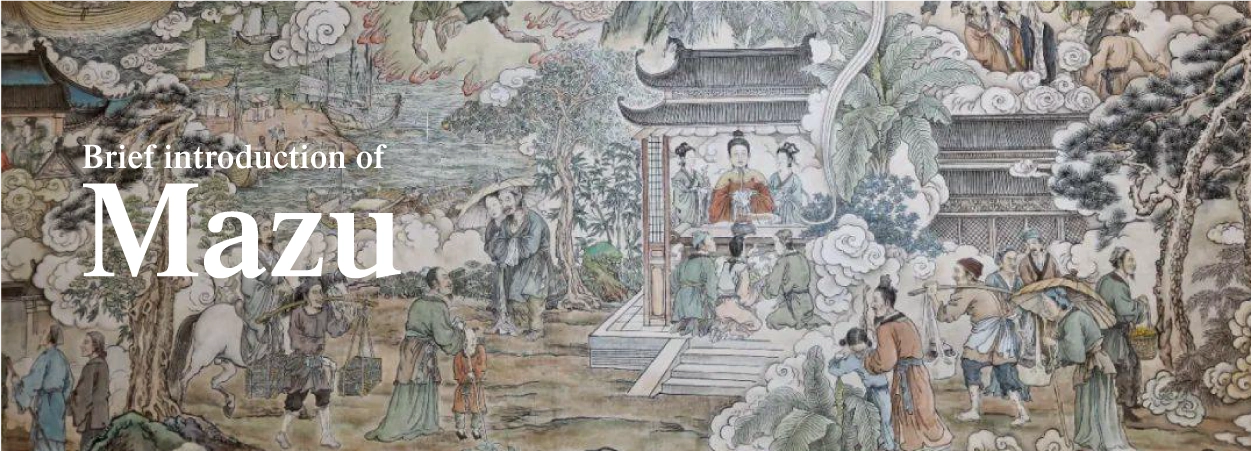
Mazu, also known as the Heavenly Holy Mother and Heavenly Empress, was born as Lin Mo on Meizhou Island in the first year of Jianlong of the Song dynasty (960) and passed away on the ninth day of the ninth lunar month in 987. Though her earthly life lasted only twenty-eight years, her compassion, courage, and willingness to rescue people in peril gave rise to a faith that has endured for more than a millennium.
The earliest written records describe her as a young woman from the coast who repeatedly came to the aid of fishermen and voyagers. From local remembrance to regional ritual practice, her story gradually became the shared cultural memory of seafaring communities along China's southeast coast.
As maritime trade and migration widened, Mazu belief absorbed the devotion of merchants, sailors, and overseas Chinese communities. She eventually emerged as one of East Asia's most enduring maritime protectors and one of the most recognizable spiritual symbols of Meizhou Island.
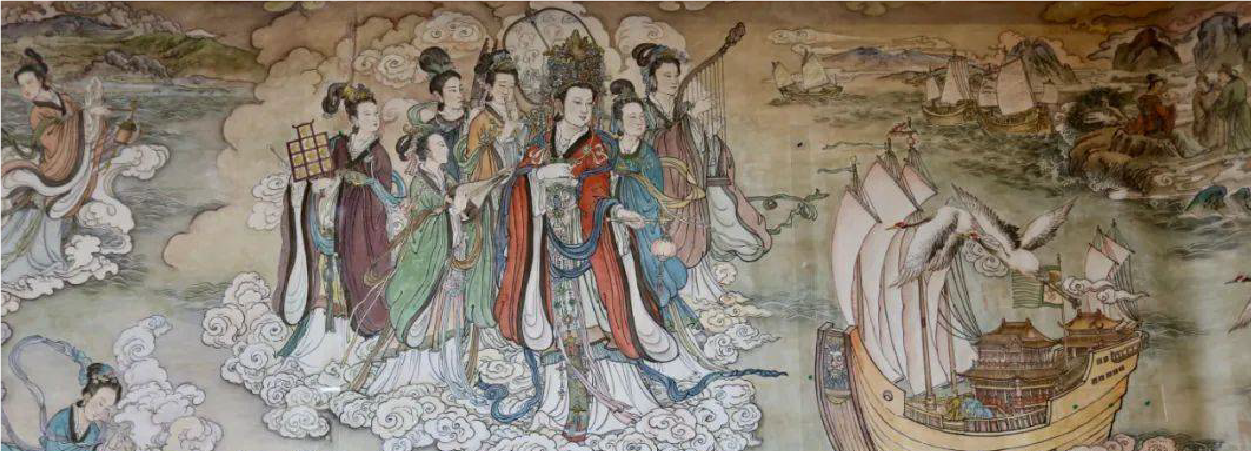
The spread of Mazu belief followed the routes of migration and trade. Putian residents who ventured to Taiwan, Southeast Asia, and other port regions carried with them both the memory of Meizhou and the ritual forms they practiced at home, allowing Mazu temples to become anchors of kinship and belonging abroad.
During the Song, Yuan, Ming, and Qing dynasties, ever-denser maritime exchange amplified Mazu's influence. As harbors opened and merchant networks expanded, temples dedicated to Mazu accompanied shipping lanes and coastal settlements, connecting the homeland with communities across the ocean.
The Song Dynasty
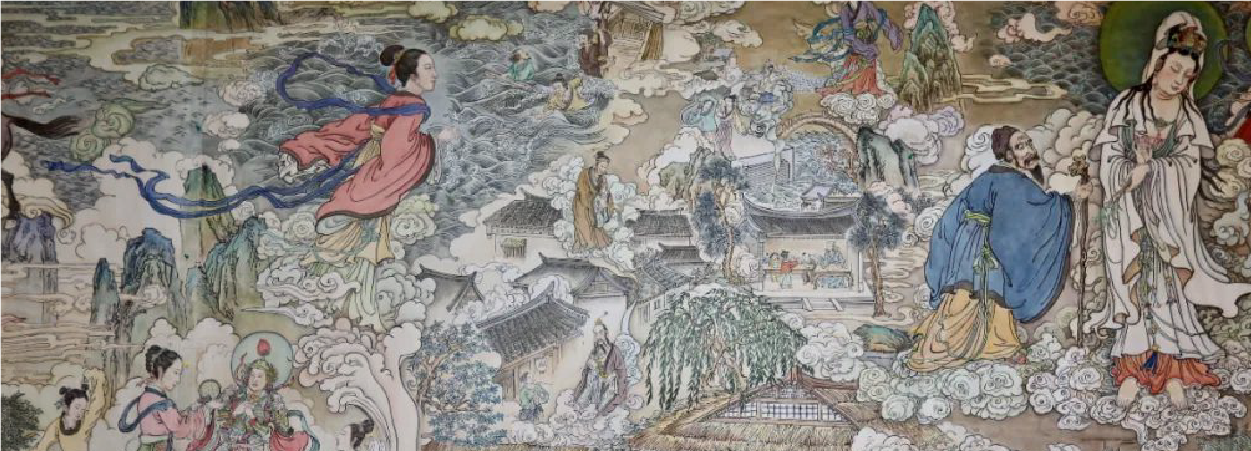
From local lady to imperial consort: beginning in the Song period, successive honors steadily raised Mazu from a revered hometown protector to a state-recognized deity of maritime blessing.
The Yuan Dynasty
As national grain transport and maritime trade became essential to the empire, Mazu's role grew from regional guardian to a protector associated with safe passage, transport, and state stability.
The Ming Dynasty
With the age of oceanic exploration and imperial fleets, Mazu was increasingly seen as the patron of long-distance voyages and a spiritual safeguard for crews sailing beyond the coast.
The Qing Dynasty
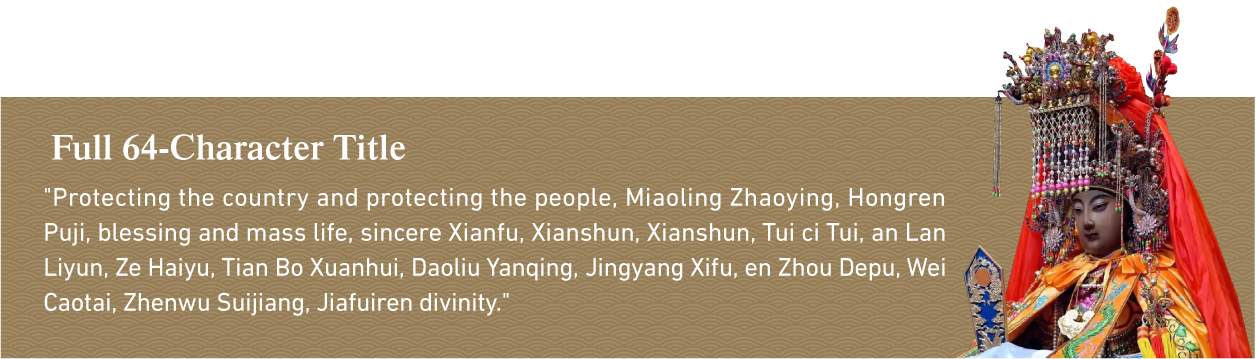
The Qing era marked the peak of accumulated honorific titles, culminating in the celebrated sixty-four-character title that signaled Mazu's highest prestige within the imperial ritual order.