Understanding the National ICH Mazu Sacrificial Rite
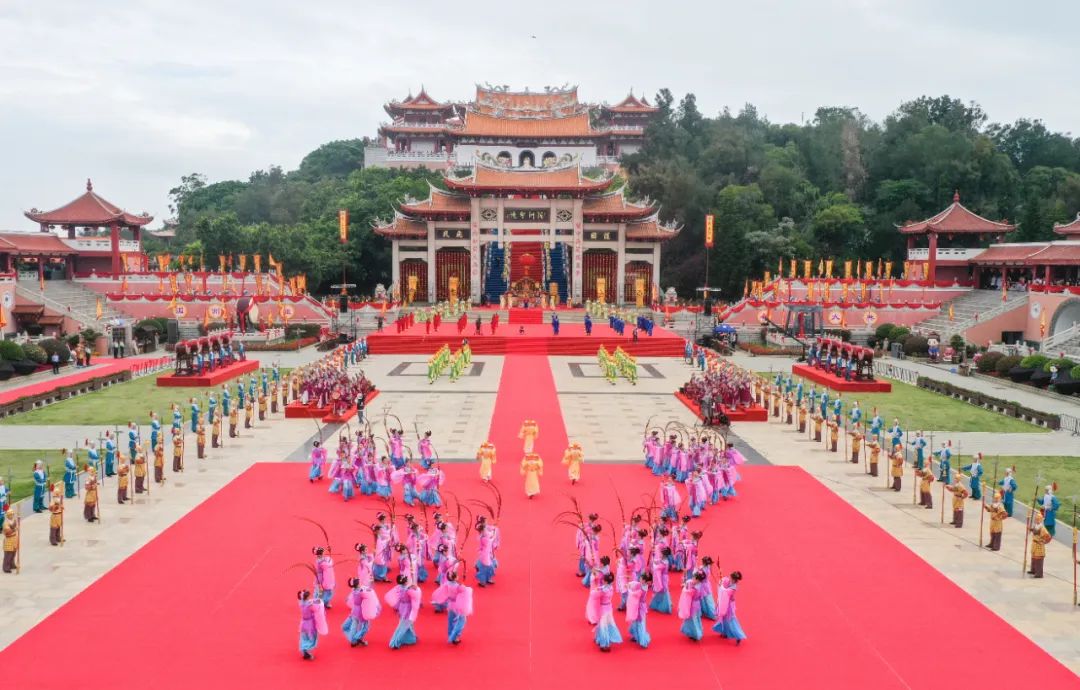
A Signature Project of the Meizhou Mazu Culture and Tourism Festival
The article introduces the Meizhou Mazu Sacrificial Rite as a key project of the China Putian Meizhou Mazu Culture and Tourism Festival, inviting readers to understand the ceremony behind this major cultural event.
Meizhou Island: The Birthplace of Mazu Culture
Meizhou Island is the hometown of Mazu and the birthplace of Mazu culture. Mazu belief began in the early Northern Song dynasty and has continued for more than a thousand years, forming a complete ritual system with broad cultural and emotional influence.
From Folk Worship to State Ritual
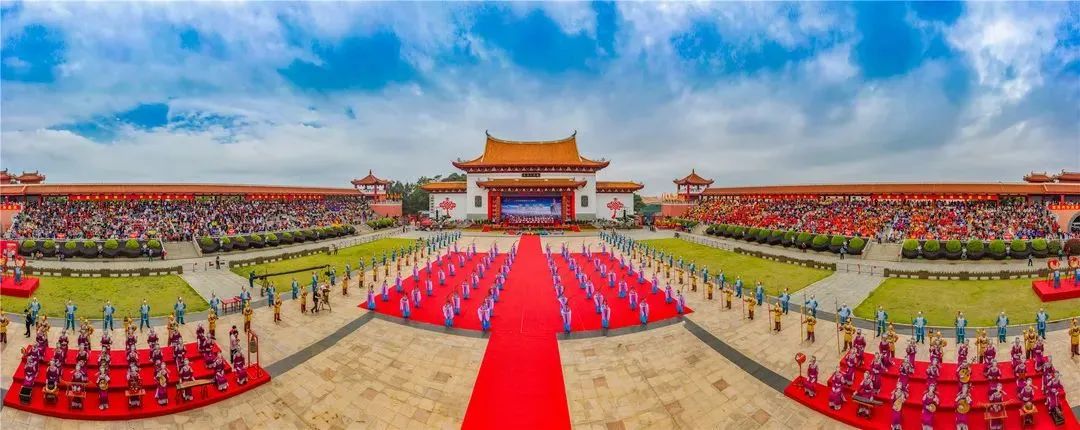
Since the Song dynasty, Mazu worship grew in scale and status. Historical records document the three-offering rite and the ceremonies for welcoming and sending off the deity; by the Southern Song, Mazu worship had entered the state sacrificial system.
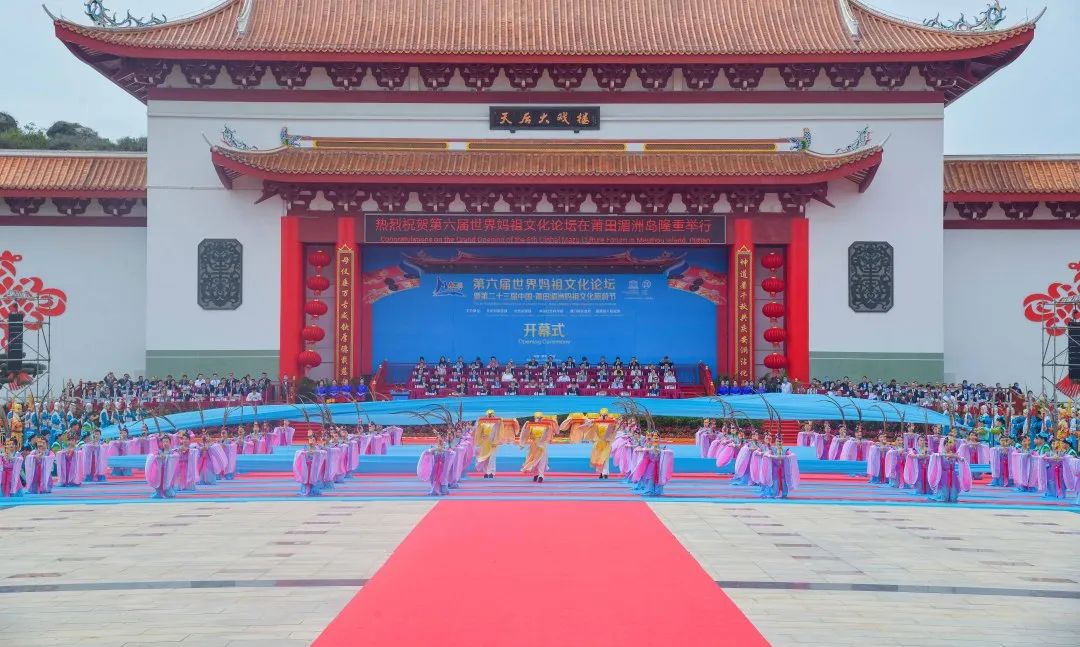
Spring Sacrificial Ceremony
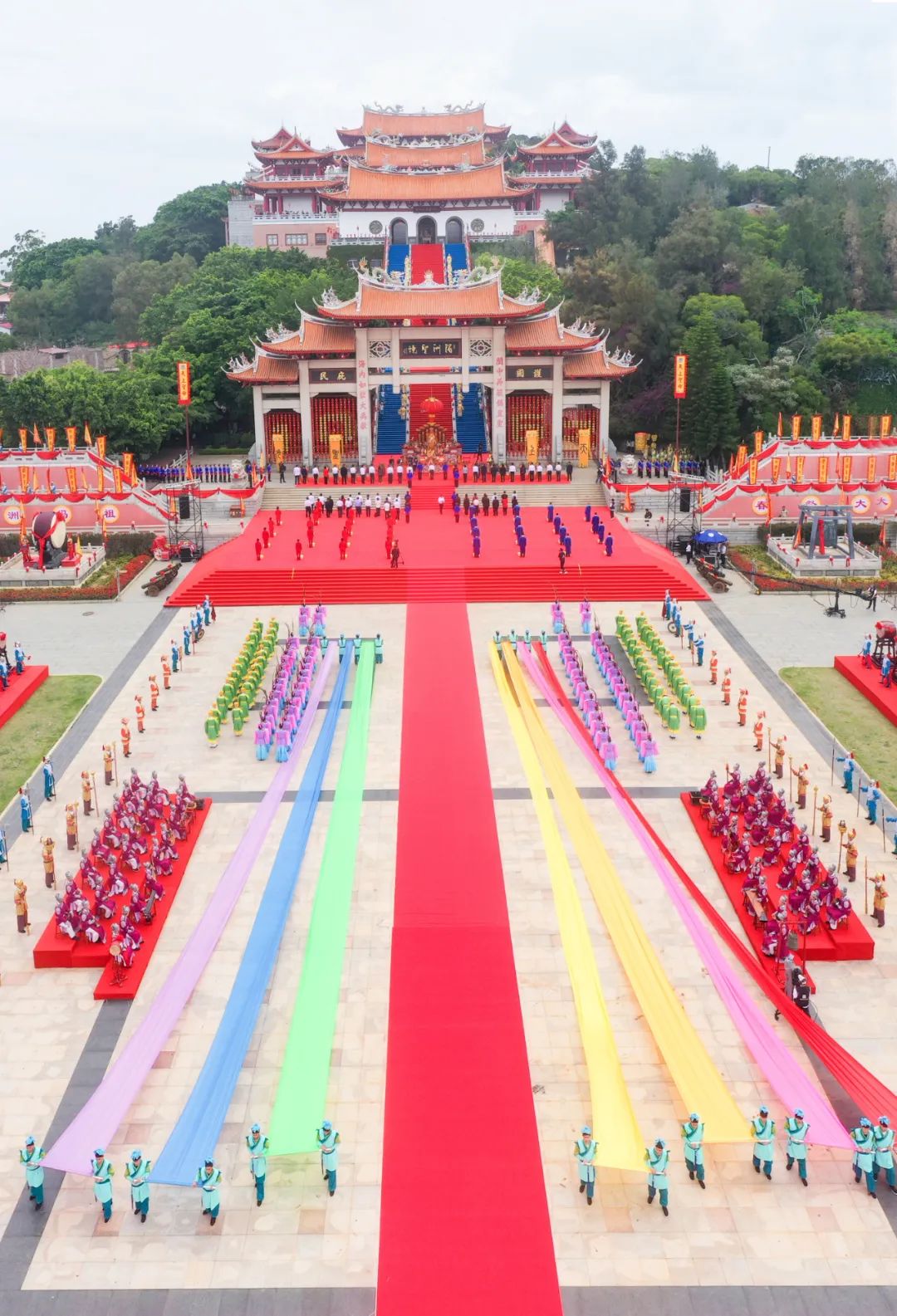
The Spring Sacrificial Ceremony at Tianhou Square follows ancient forms and rich folk traditions. Today, the Mazu sacrificial rite is known alongside the Yellow Emperor Mausoleum ceremony and the Confucius ceremony as one of China's three great sacrificial rites.
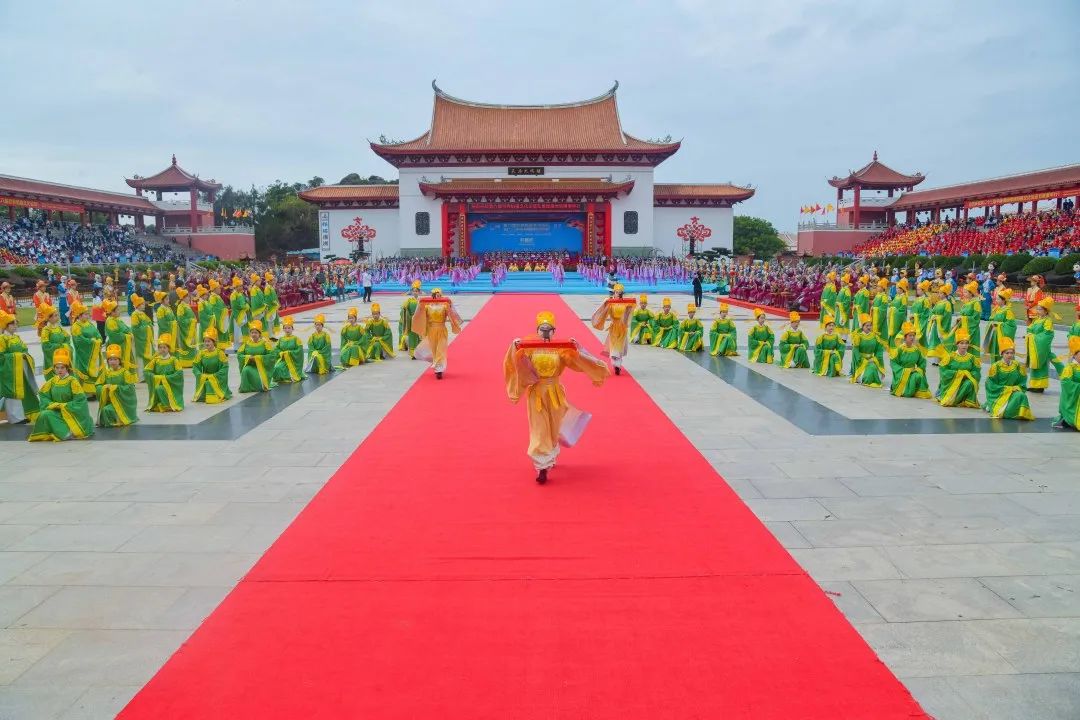
Thirteen-Step Ritual Sequence
A full Mazu sacrificial rite lasts about 45 minutes and can be held at large, medium, or small scale. The Spring Sacrificial Ceremony includes drum and horn, ceremonial teams, principal and accompanying worshippers, incense offering, silk offering, blessing text, prostration, first, second, and final offerings, burning of the blessing text and silk, three kneelings and nine kowtows, sending off the deity, and completion of the rite.
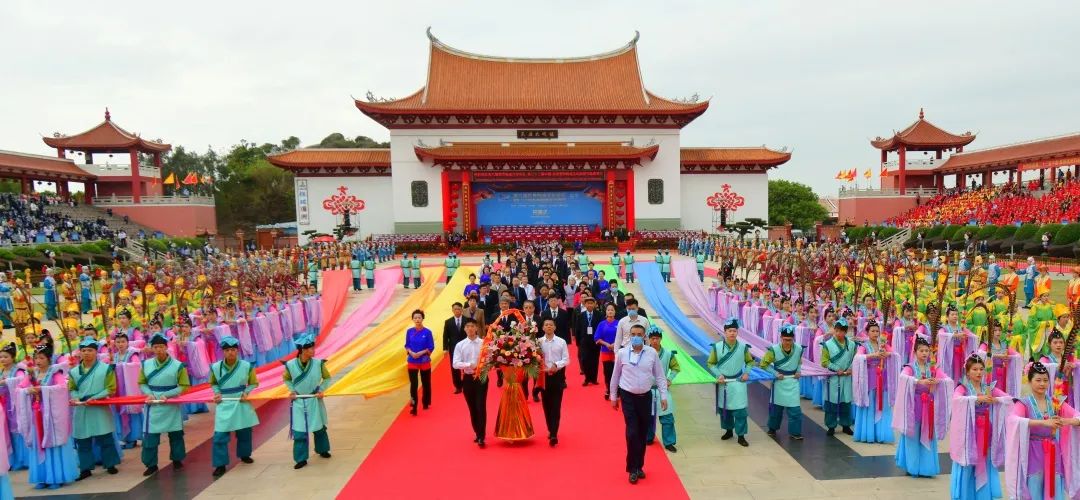
National and World Intangible Cultural Heritage
In 2006, the Meizhou Mazu Ancestral Temple Sacrificial Rite was listed in China's first batch of national intangible cultural heritage. In 2009, Mazu belief, with this rite as an important component, was inscribed on UNESCO's Representative List of the Intangible Cultural Heritage of Humanity.
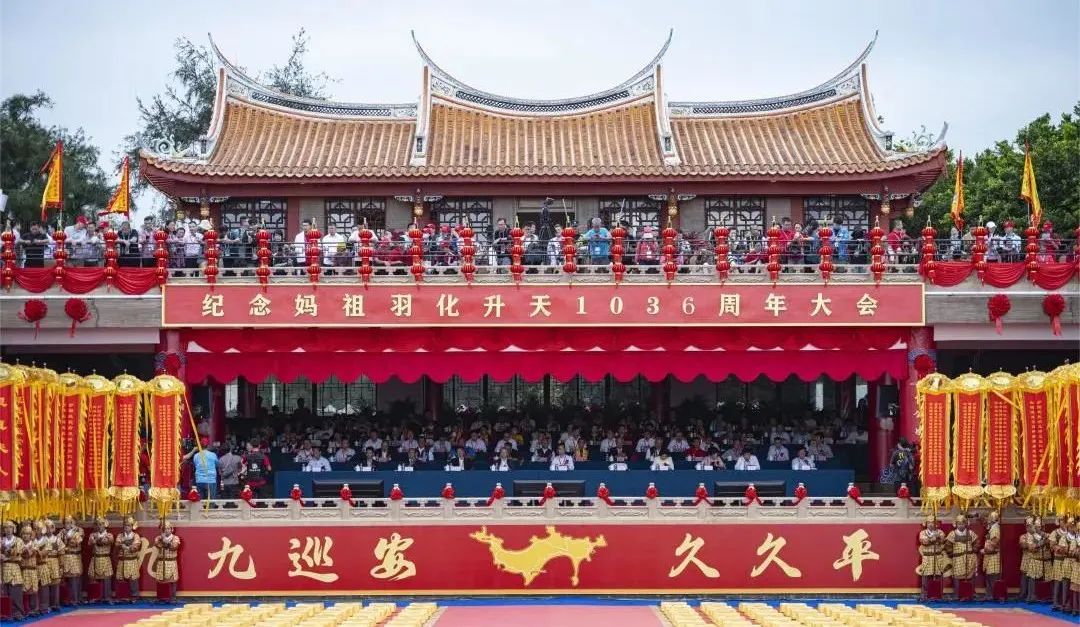
A Model for Mazu Rituals Worldwide
Among Mazu sacrificial ceremonies worldwide, the Meizhou rite is regarded as the most authoritative and standardized, serving as the model for Mazu rituals across the global Mazu community.
Spring Ceremony Sequence